Air Taxis In Delhi's Future? New Master Plan Makes First Mention
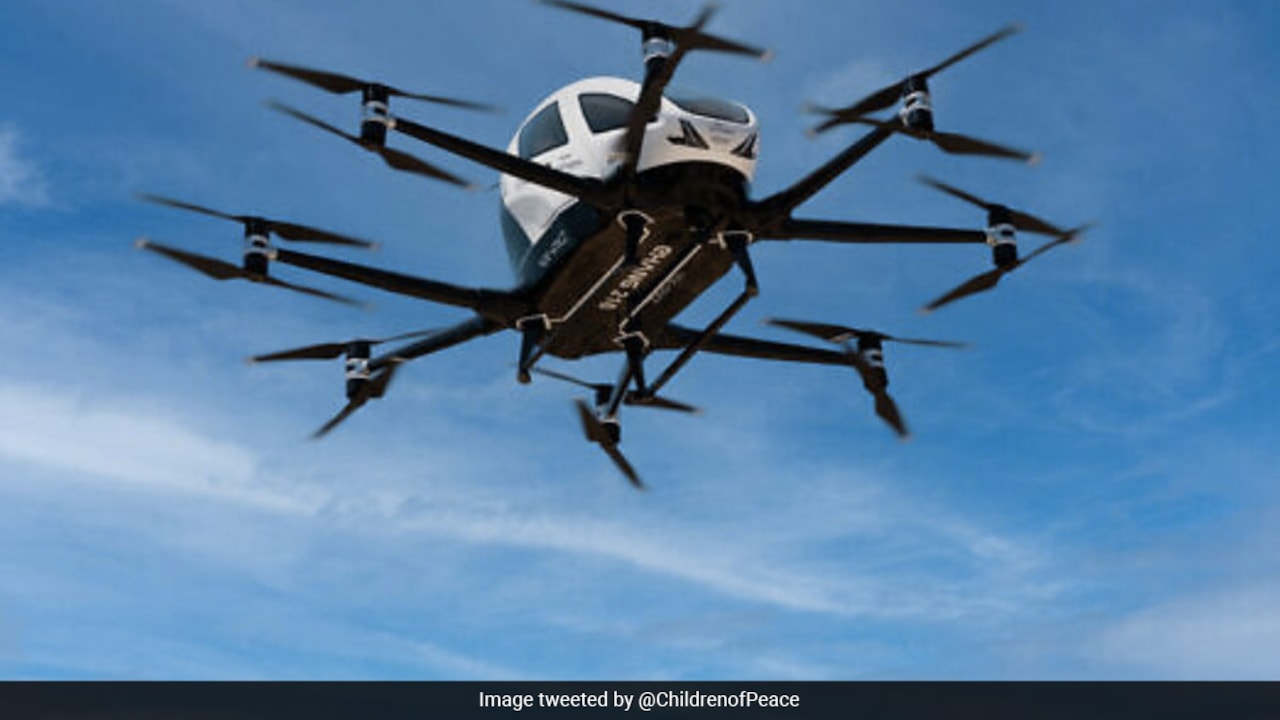
Delhi's new Master Plan has made room for air taxis for the first time, placing the futuristic mode of travel alongside a more immediate proposal to improve the capital's connectivity with Noida International Airport at Jewar.
The Master Plan for Delhi 2047, notified by the Centre, lists air taxis and air pods among transport modes that could be considered as the city plans for the coming decades.
But this is not an announcement of an air-taxi service.
The master plan does not identify routes, take-off or landing sites, operators or a timeline for operations. Any commercial service would also require separate approvals and regulations from India's civil aviation authorities.
For now, the inclusion means urban air mobility has formally entered Delhi's long-term planning framework.
The transport chapter also looks beyond conventional roads and railways, referring to the possible use of inland waterways through the Yamuna, the Sahibi River, also known as the Najafgarh drain, and canals.
Jewar Airport Connectivity Gets A Push
The plan provides more detail on connectivity to Noida International Airport.
It proposes a new corridor, identified as Strategic Link Two, as an extension of the UER-2 network from the Dwarka side towards Noida, Greater Noida and Jewar.
The proposal is not limited to a road link.
The Master Plan says strategic links should, wherever feasible, be developed as mass transit corridors, leaving scope for rail-based or other public transport systems.
That could eventually give passengers travelling between Delhi and Jewar Airport an alternative to relying only on private vehicles or cabs.
The plan also calls for seamless multimodal connectivity between Indira Gandhi International Airport and Noida International Airport, through road, rail or other transport networks.
The focus is on both passenger and cargo movement.
With Jewar Airport, industrial corridors and dedicated freight corridors expected to change travel and freight patterns across the National Capital Region, the plan underlines the need for stronger regional transport links.
Other strategic corridors proposed in the plan seek to improve Delhi's connections towards Gurugram, Jhajjar and the Loni-Baghpat side of the NCR.
Helipads For Emergencies
Air mobility also finds a place in the Master Plan's emergency-response provisions.
Major hospitals and high-rise buildings could have rooftop helipads, subject to building and aviation rules, allowing air ambulances and rescue aircraft to be used during emergencies.
The provision is aimed at disaster response and medical evacuation and is separate from the proposal for air taxis.
Dwarka's Growing Airport Role
Dwarka is positioned in the plan as an international gateway to Delhi, given its proximity to IGI Airport and its connectivity through the Metro, Dwarka Expressway and UER-2.
Its role is expected to expand further with the development of a 34-hectare diplomatic enclave.
The Master Plan also sets out how airport land can be developed.
Such areas will remain subject to Airports Authority of India requirements, while passenger-related facilities and hospitality infrastructure can be developed where permitted.
Hotels, serviced apartments, guest houses and similar facilities are among the uses allowed at major transport nodes under the planning framework.
Aerocity and areas around Delhi Cantonment and the airport will continue to be governed by the rules of the authorities concerned.
Aviation safety restrictions will also continue to determine how high buildings can rise around airports.
Where such restrictions make it difficult to utilise the permissible Floor Area Ratio, the Master Plan allows ground coverage to be increased from 40 per cent to 50 per cent, subject to applicable conditions.
In effect, buildings that cannot go higher because of airport-related restrictions may be allowed to spread slightly more at ground level.
For now, air taxis remain only a proposal in Delhi's long-term planning framework, with no routes, operating rules or rollout timeline specified.
Their inclusion in Master Plan 2047, however, marks the first time the capital's planning document has formally provided for air-based urban transport.
(Except for the headline, this story has not been edited by NDTV staff and is published from a syndicated feed.)
KioskNews shows a cleaned-up reading view extracted from the publisher’s page — the original always lives on their site, not ours.