Will losing US midterms see Trump double down or signal beginning of the end?
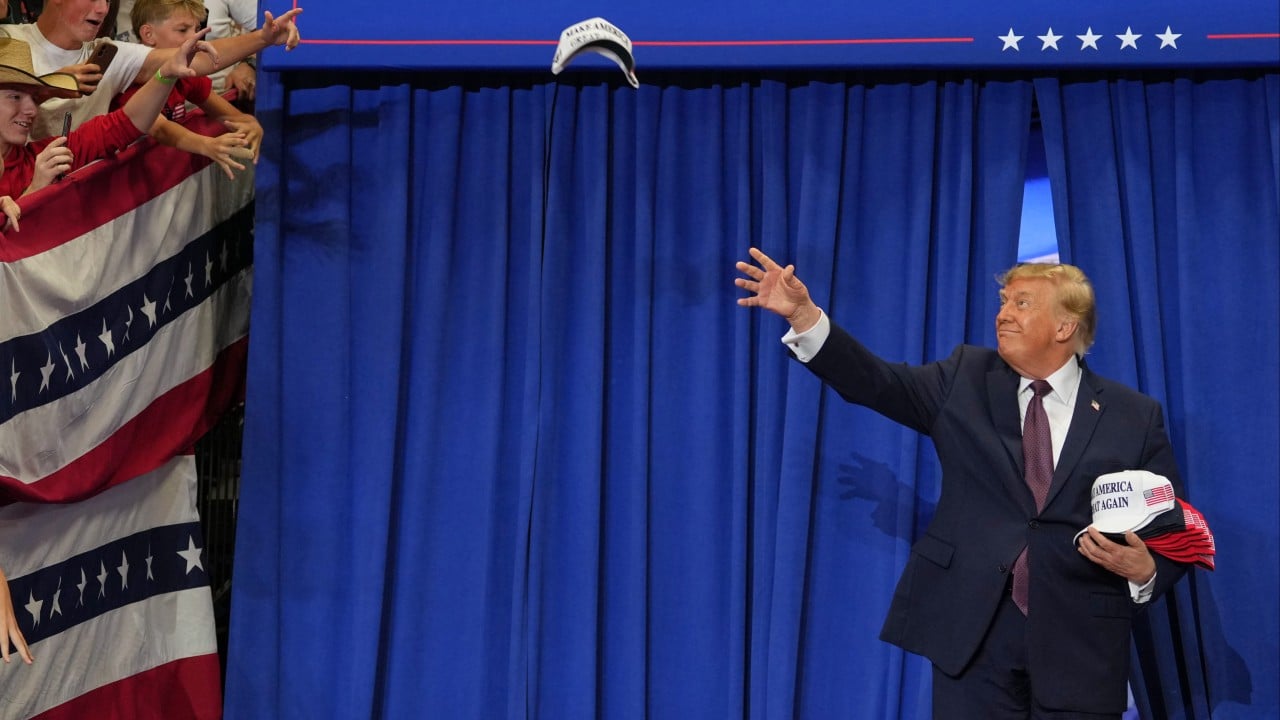
Tuesday’s US midterm election is both hugely consequential and not so consequential even as the world waits to see the American voters’ verdict on Donald Trump’s presidency – and the impact that verdict will have on his temperament, plans and possible petulant response, analysts and former government officials said.
On the one hand, an expected strong showing by opposition Democrats could bring more Congressional scrutiny over some of the most unconventional, maximalist and disruptive policies generated by an American president in the nation’s 250-year history.
At the same time, he is not on the ballot and little is likely to change structurally. No matter who wins or how reinvigorated lawmakers become, Trump will almost certainly retain his ability to block legislation that challenges his agenda.
“The stakes are not as consequential as a lot of people think because Trump still has the veto power,” said Jeffrey Moon, head of consultancy China Moon Strategies.
“But you’re not going to be able to turn off the Iran war. You’re not going to be able to turn off the tariff policy,” added Moon, formerly with the National Security Council and a US consul general in Chengdu.
“What you can do is have hearings that ask probing questions and cause embarrassing implications and make it very unpopular for him.”
How consequential are the US midterm elections?
A related outcome as Trump eases into lame-duck land and his clout erodes is more anti-Beijing legislation and louder rhetoric from lawmakers less intimidated or beholden to the president.
Beijing has welcomed the change. “They love Trump. If anything, they want him to stay on forever,” said Jeremy Chan, senior analyst with Eurasia Group. “They want him to have a third term. I mean, hey, our guy does.”
Freed up, however, this previously supine Congress could start pushing back and flexing more muscle. The current 119th “do nothing” Congress has enacted just 121 laws compared with those in the 1990s that routinely enacted between 350 and 600.
“I don’t think that Republicans in the Senate have been favourable towards these loosening export controls. But they’ve kind of gone along with it,” said Sarah Kreps, government professor at the Cornell Brooks School of Public Policy.
“And I think we’re going to see that shift if and when the Democrats take control of one or both houses of Congress. The Trump reputation has been sun setting a little bit,” the former US Air Force officer added.
Another concern is how the notoriously thin-skinned president might react if his party gets walloped. Betting site Kalshi gives Democrats a 92 per cent chance of winning the House and a 68 per cent chance of winning the Senate.
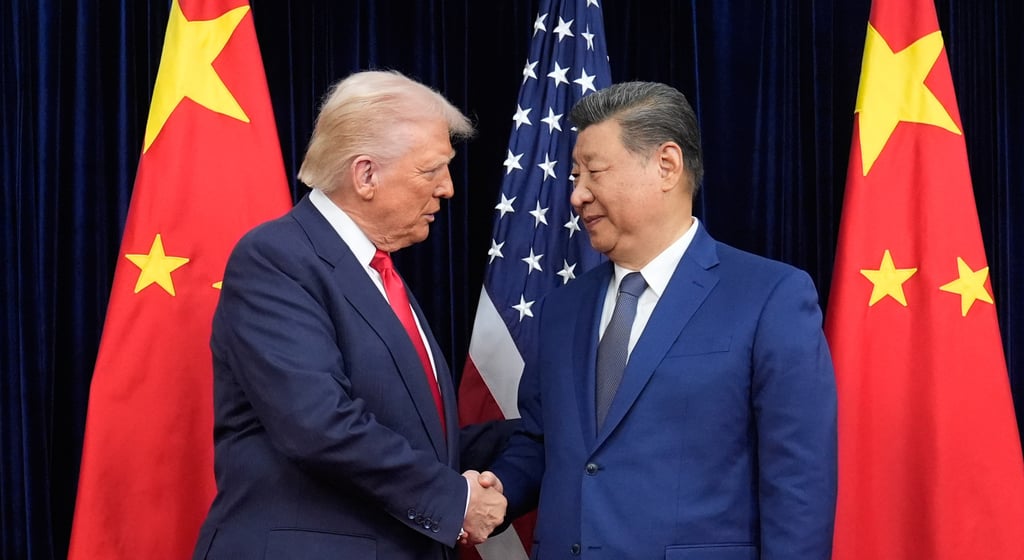
“The midterm election, we don’t know what will happen. But I think everyone is quite sure that it’s going to ruin Trump’s mood for a lot of things, and he might be looking for scapegoats,” said Yun Sun, the Stimson Centre’s China director.
“Will he blame China for not giving him a bigger diplomatic victory so that he could turn the midterm election around? There’s no guarantee.”
“I don’t think he’s going to pick that fight,” said Chan. “The greater risk is 2027 when the two leaders have less opportunity to meet in person as Xi focuses on the 21st Party Congress.”
In private, Chinese interlocutors are saying they know that bilateral irritants will boil over at some point, Chan said.
“Taiwan arms sales can’t be deferred forever,” he added. “And unless we have a release valve for those bilateral pressures, then you could see this heading to a materially worse place, almost through inertia.”
As the unpopular president’s grip on the three arms of US government wanes, he is also likely to focus even more on executive orders and foreign policy, where he faces few constraints, analysts said. In recent days, he has already threatened to resume attacks on Iran after the election.
“We did a little ceasefire, which I never liked very much,” he said this week. “It was just a waste of time.”
These are powers he has used extensively. During his six years in office, he has signed 510 executive orders, compared to previous record setters, former presidents Ronald Reagan at 381 and Bill Clinton at 364 – over their full eight years.
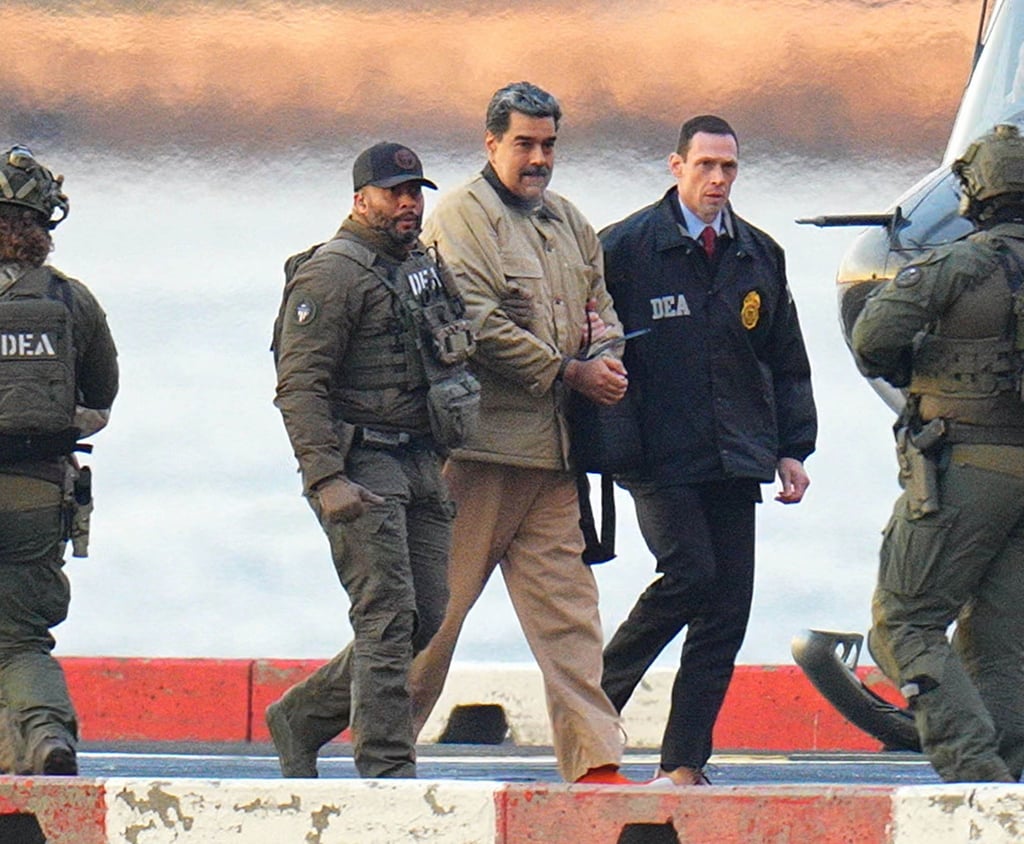
And foreign capitals can expect further disruption from an “America first” president who started the Iran war, driven up oil prices globally; alienated long-standing US allies; dislodged Venezuela’s leadership and its oil, launched trade wars, cosied up to Moscow and slapped tariffs on nearly every economy on earth.
Amid the noise and policy churn ahead, however, a transactional leader known for rarely admitting mistakes or backing down voluntarily is likely to make more strategic retreats, even if he does not acknowledge them, analysts said.
Late last Friday, the White House quietly eased its highly unpopular Canadian tariffs in the state of Maine, where Republican Senator Susan Collins faces a tough race that could determine which party controls the Senate.
“Trump has been telling us that it’s the foreigners that are paying the tariffs,” said Moon. “But in this case, the Republicans are pretty much openly admitting or tacitly admitting that … rather than making America great again, the tariffs are actually damaging the local economy.
“He hasn’t admitted the failure of his tariff policy, but that’s what this is all about,” Moon added. “I do not think he will openly change his philosophy. This will be like cracking or breaking down a wall. This is the first brick.”
KioskNews shows a cleaned-up reading view extracted from the publisher’s page — the original always lives on their site, not ours.