From Bahrain to Riyadh: How Iran strikes battered US bases, embassies
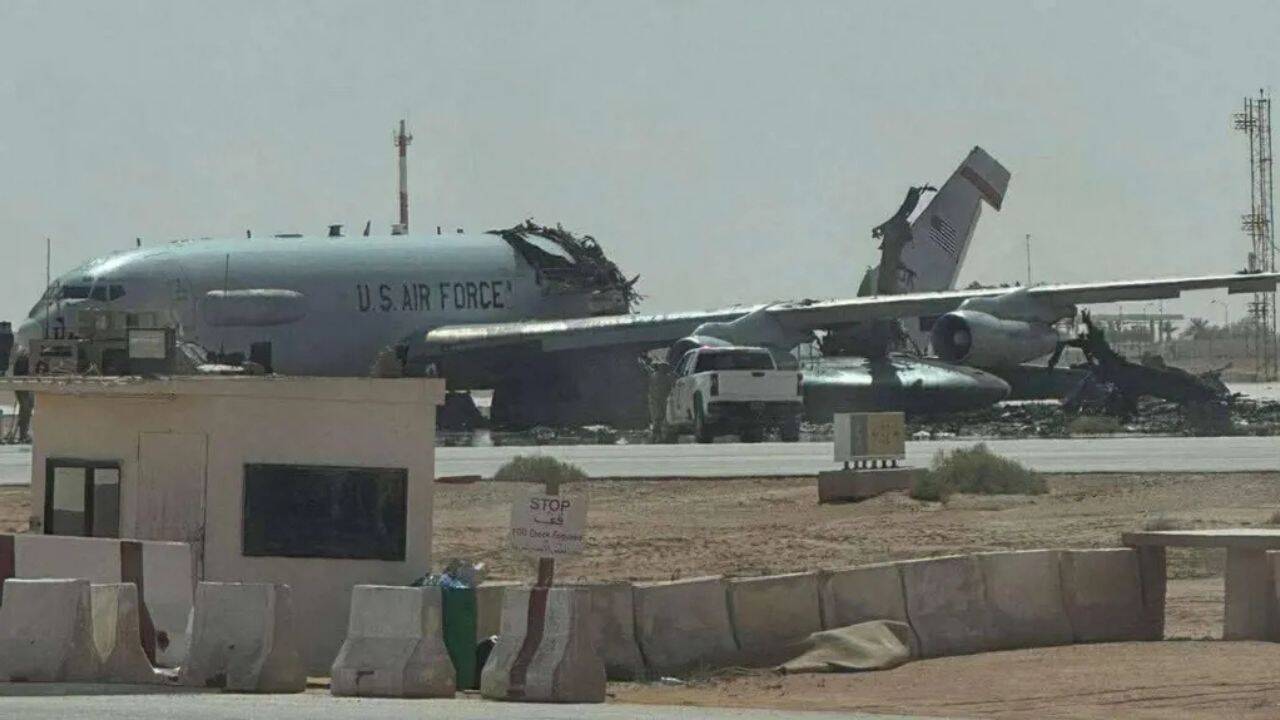
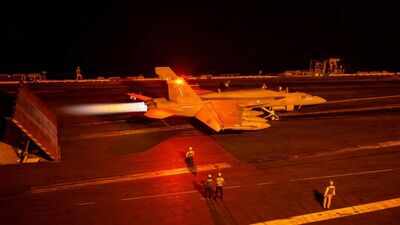
Pentagon report highlights the extensive destruction of US military and diplomatic infrastructures due to Iranian strikes
Pentagon's official watchdog has released the defense department's first formal accounting of US equipment and facility losses from the Iran war, detailing extensive damage to American military bases and diplomatic facilities across the Middle East.The special report by the defence department's inspector general, covering February 28 to June 30, said Iranian strikes “damaged and destroyed hundreds of buildings and structures at US bases in Kuwait, Bahrain, Qatar, UAE, Saudi Arabia, Iraq, Oman and Jordan”.The strikes forced US central command to “shift personnel, assets and storage facilities” as Iranian forces and their proxy groups targeted American positions, the report said.The operational changes included withdrawing Army medical evacuation helicopters from Iraq and Kuwait. As a result, “most medical evacuations have been carried out by ground … to local treatment facilities”, according to the watchdog.Bahrain attack disrupts US logisticsDamage to the US Navy's regional hub in Bahrain created “significant challenges” in establishing “adequate naval bases and support ports”, the report said.
Acting navy secretary Hung Cao recently said Iran “blew the hell out of” the facility.The damage led to the Indian Ocean island of Diego Garcia becoming a sea logistics hub, stretching US military resupply cycles to 14-18 days, according to the report.Intermittent shortages of supplies and disruptions to the military's regional mail system further complicated operations for US sailors deployed to the Persian Gulf during the conflict.The war began on February 28, when the US and Israel launched military operations against Iran. Iran responded with missile and drone strikes against US military positions and diplomatic facilities across the region.$184 million diplomatic damageThe report, prepared with the state department and US Agency for International Development inspector general offices, estimated that Iranian attacks caused about $184 million in damage to US diplomatic facilities in the Middle East.
It did not provide an estimate for damage to US military sites.In early March, two Iranian drones struck the US Embassy compound in Riyadh, causing extensive damage, including to a CIA station.A drone also targeted the US consulate in Dubai, damaging a utility building. US secretary of state Marco Rubio said at the time that it hit a “parking lot adjacent to the chancellery building”.The US Embassy in Kuwait suspended operations in March after being struck by Iranian drones and resumed emergency operations in late June.More than 600 attacks against US facilities in Iraq were recorded, a senior State Department official said in May. Those attacks caused roughly $157 million in damage.3,500 diplomatic personnel displacedUp to 3,500 diplomatic personnel were outside the region between February 23 and June 30, according to the report, as most US posts operated under authorised or ordered departure.Bahrain, Iraq, Jordan, Qatar, Saudi Arabia and the UAE were placed under ordered departure, requiring non-emergency personnel and family members to leave.Most posts remain under “restricted operations”, with some diplomats and family members beginning to return.The report comes as US military and intelligence officials consider whether reductions in US personnel and facilities in the Middle East could become permanent after the war.
KioskNews shows a cleaned-up reading view extracted from the publisher’s page — the original always lives on their site, not ours.